
On Finding Our Readers
The other day I got an extremely flattering email about my work as a writer. It was from a woman who appeared to have read my books and admired them very much. Not only that, but it seemed as if she had thought deeply about the arc of my career.
I was initially surprised and, of course, pleased. Yet, I wondered who, while unsolicited and unpaid, would take so much time to read all six books and give them so much thought? Even though her praise was followed by an offer to find the readers I supposedly deserved—for an unspecified price—what I couldn’t understand was why someone would undertake so much effort before getting in touch with me.
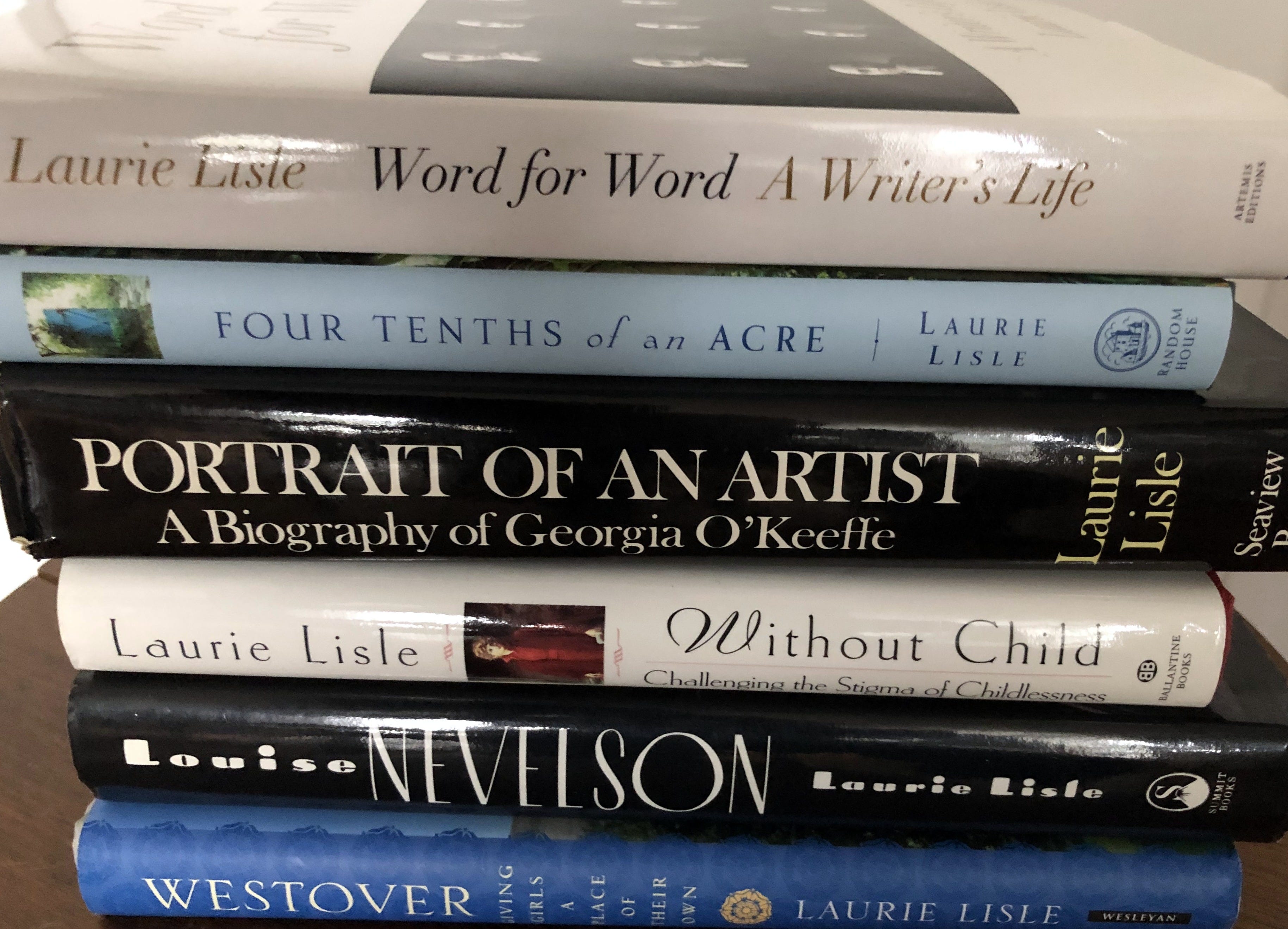
Then I became a little uneasy. When I looked up the name of the woman on Google, it was nowhere to be found. A few days later, I became more apprehensive when another similar email appeared from someone else who also seemed to know all about my body of work, telling me it was very important, overlooked, etcetera, etcetera, and he had a way to obtain more recognition for it.
These solicitations come at a time when publishers, agents, publicists, and others are constantly urging writers to find their own readers. Most of them tell us to go to online to sites where our readers may “hang out” to make ourselves and our books known. But how likely are those who spend a lot of time online to be avid buyers of books? One’s own books, especially? And what kind of information are they getting? As most book reviews have migrated from print media to online sites, more of it is done by anyone.
Recently, the Authors Guild helpfully helpfully offered a webinar about how and where to find one’s readers. It was well-intentioned, but during the presentation I kept asking myself: Why do writers have to search so diligently for readers instead of expecting readers to be searchers for books?
I realize my attitude is distorted because decades ago, when my first book came out, my publisher took responsibility for marketing it and placing it in bookstores. I wasn’t expected to do anything except be available for interviews. That book, which admittedly had a ready readership because it was the first biography of Georgia O’Keeffe, Portrait of an Artist, has sold more copies than other books I promoted online.
Now, since the advent of the Internet and the explosion of social media, publishers expect authors to take responsibility for the promotion and publicity of their books, even though most writers aren’t equipped to do it in terms of their time, money, and temperaments. And it also means spending a lot of time not writing.
A reason for this pressure is because fewer people are reading books, polls tell us, as information and entertainment become more verbal and visual. At the same time it’s easier nowadays for professional and amateur writers alike to publish their own books. As as many as a million new books flood the marketplace every year, many more authors are searching for far fewer readers.
As I thought about the email solicitations professing a deep knowledge of my writing and proposing to bring me fame and fortune, I became increasingly suspicious. I’ve had enough experience with AI to know how quickly it can gather and synthesize information. Then a light bulb went off in my head: the emails were crafted by AI! People trying to make money from writers’ eagerness to sell their books are asking chatbots about our careers and regurgitating the information into flattering proposals. When I told a writer friend about the emails, she told me she was getting them, too.
I recently learned that my biography of Georgia O’Keeffe was downloaded into AI, according to a proposed $1.5 billion class action settlement with Anthropic, which allegedly pirated copyrighted books to train its AI model, making it easy for someone to quickly learn about the biography’s contents.
Then I decided to see for myself. I would use chatGPT.com to try to replicate the complementary emails. In moments, it did. I admit I liked what it told me, and wished it had reviewed my books and that it would write my obituary.
Here’s part of what it said (emphasis in bold is AIs): “Laurie Lisle’s career as a writer reflects a lifelong engagement with women’s creativity, independence, and self-definition. Trained first as a journalist, she brought to all her later books a reporter’s eye for evidence and an essayist’s impulse toward reflection. Across more than four decades, her writing has traced an arc from biographical portraiture to personal memoir and cultural inquiry, forming a coherent body of work concerned with how women shape their lives in art, work, and solitude…Across genres—biography, cultural criticism, memoir—Lisle’s writing is marked by clarity, empathy, and independence of mind…Taken together, her books chart a sustained inquiry into what it means to live a purposeful, creative life as a woman in the modern world.”
Wow. Thanks, chatGPT.com. Too bad you’re not a person. Well, we writers can get your help anyway in promoting our books ourselves.
Thanks Jane!!!
Marnie,
It's very disappointing the way scams have infused everything we do, even writing books.